Professional Tree Removal: A Clear Step-by-Step Breakdown Guide
Trees add beauty, structure, safety, and ecological value to any outdoor space, but there are times when a tree becomes unsafe, diseased, or obstructive and needs professional attention. Understanding how experts manage full-scale work from start to finish can help you feel confident about the tree removal process, especially if it’s your first time arranging this type of service.
The Initial Assessment and Safety Planning
Every professional job begins with an in-depth assessment. A qualified arborist inspects the tree’s condition, its surroundings, and any visible hazards. This analysis includes health concerns such as decay, fungi, dead branches, or structural instability. It also covers external risks like overhead wires, nearby structures, pedestrian walkways, and vehicle access. The goal is to clearly identify why the tree must be removed and the safest way to complete the work.
During this stage, many people search online for a tree surgeon near me, aiming to find a trained and reputable specialist who can provide accurate guidance. Local expertise helps ensure that the job is carried out with the proper equipment, permits (if required), and understanding of best practices. After reviewing the area, the arborist will explain the safest method for dismantling the tree and provide advice on protecting the surrounding environment.
Arborists also determine the need for traffic management, barriers, or temporary access adjustments. In some cases, additional team members may be required to manage rope systems or ground operations. All safety measures are put in place before any cutting begins, ensuring that the site is secure for workers, property owners, and passers-by. This level of preparation is one of the biggest advantages of using fully trained professionals for this complex work.
Preparing the Site and Beginning the Dismantling Process
Once the assessment is complete, the team begins preparing the site. This may involve moving vehicles, protecting patios or garden features with boards, and clearing pathways for efficient access. Ropes, harnesses, rigging equipment, and cutting tools are positioned and tested to guarantee full control during the job.
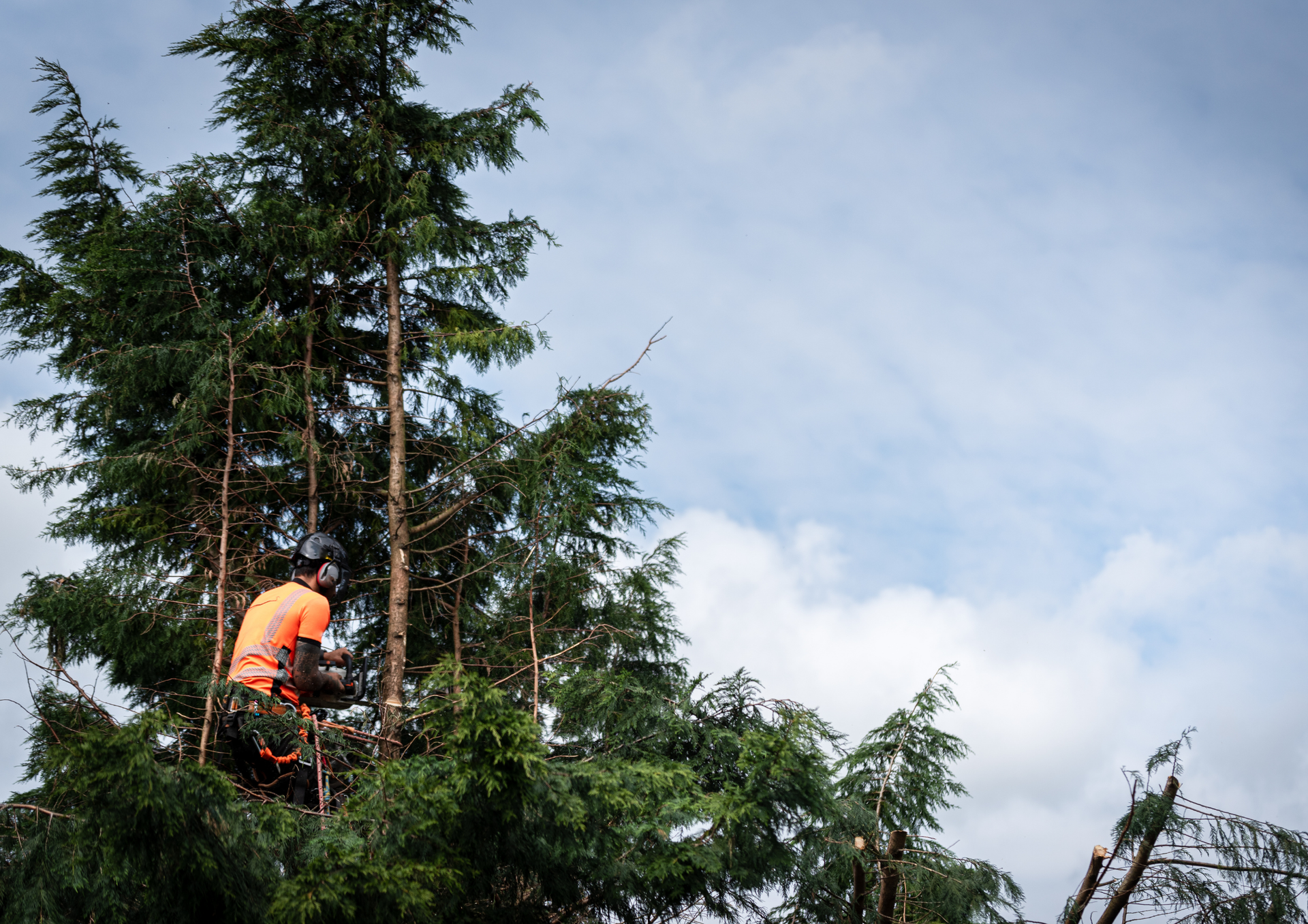
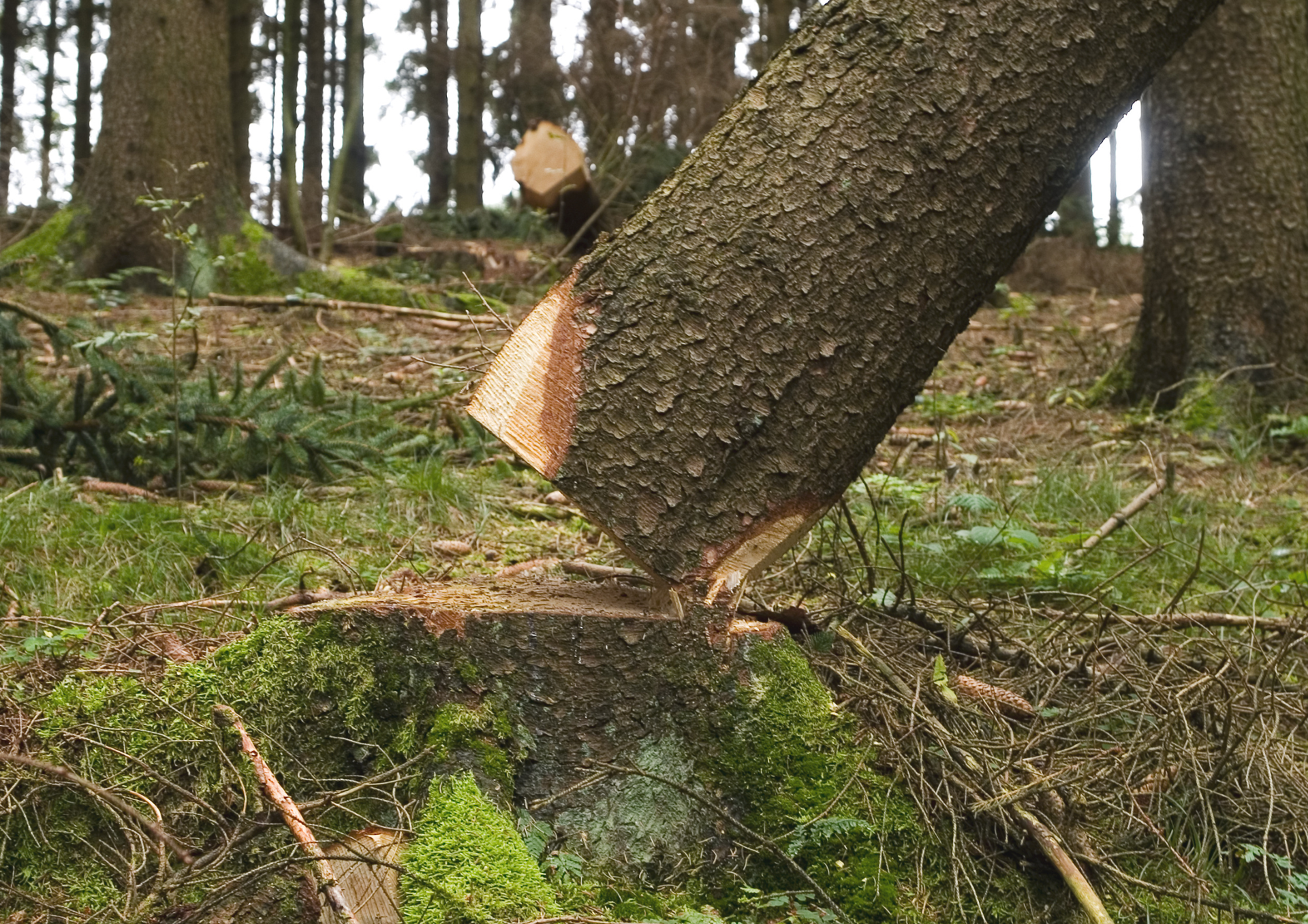
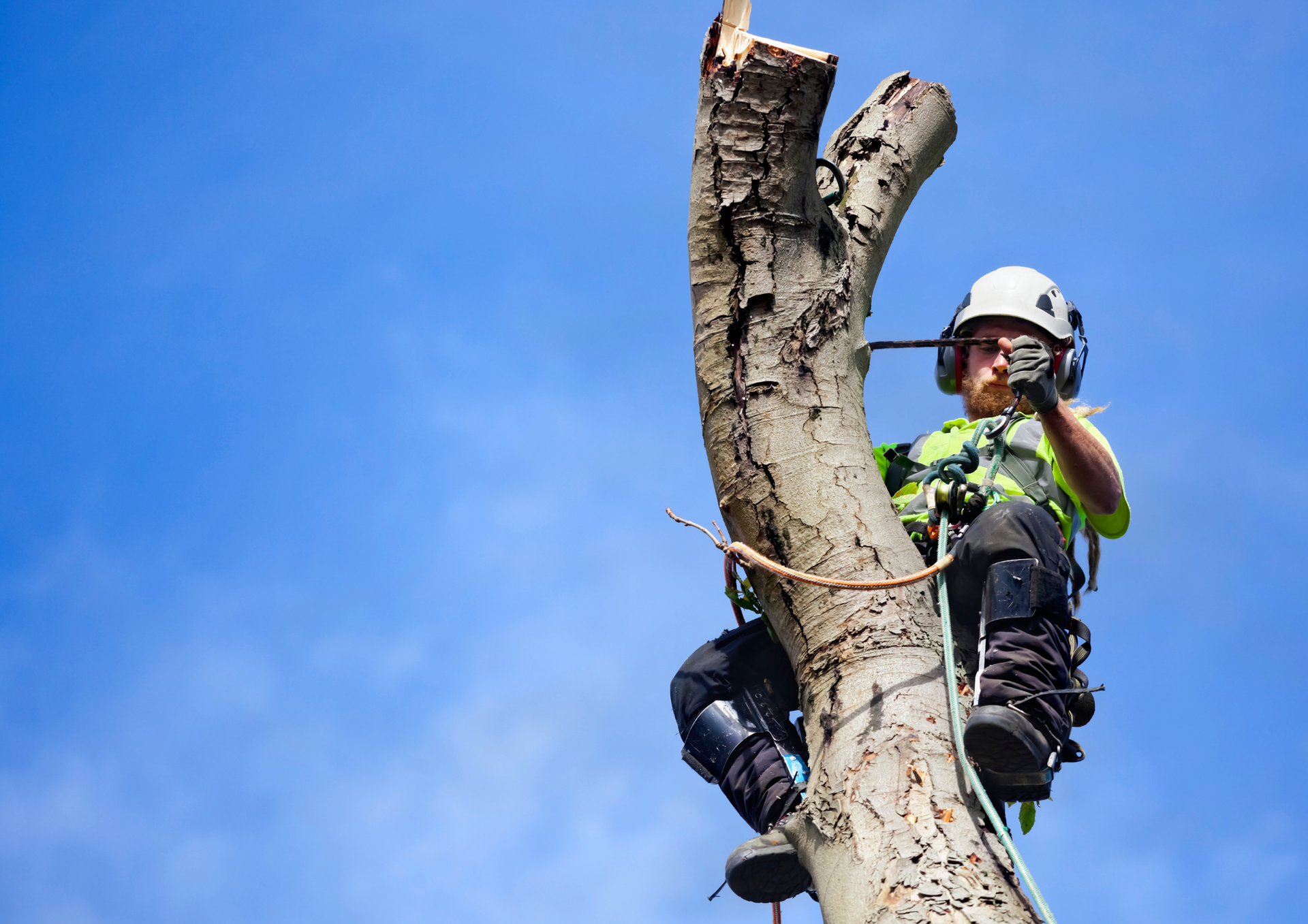
The tree removal process varies depending on the size and structure of the tree. For large or tall trees, arborists climb using specialist rope techniques. They remove smaller branches first, working systematically from the top down to maintain stability. Larger sections are often lowered safely to the ground with ropes to avoid damage to surrounding structures. For smaller trees, the trunk may be cut in manageable segments and carried away by hand.
Property owners sometimes contact professionals when looking for a tree cutting service, especially when dealing with trees near buildings, fences, or neighbouring gardens. These situations require technical skill and precise cutting methods to prevent accidents. Trained teams rely on clear communication, steady coordination, and proven techniques to keep the work smooth and efficient.
Throughout the dismantling phase, debris is moved to an organised area so the site remains tidy. Branches are processed through a chipper if needed, turning foliage into reusable wood chips. Larger timber may be cut into logs for disposal or repurposing. Maintaining a structured workflow ensures the job progresses safely and efficiently.
Managing Stumps, Roots, and Ground-Level Work
After the main structure has been dismantled, attention turns to the ground-level elements. Many customers want to eliminate the remaining stump entirely, especially when planning a new garden layout, paving work, or fresh planting. This is where techniques for tree stump removal become essential. Arborists can grind the stump down below soil level, preventing regrowth and leaving the area suitable for new landscaping.
Root systems vary significantly between species. Shallow roots are easier to manage, while deeper, more complex systems may require additional planning. The team will tidy the surrounding ground, remove debris, and ensure the area is safe for future use. Some customers choose to keep the stump for decorative purposes, wildlife habitats, or seating features, but full removal is the most common request for a smooth finish.
Ground-level handling is often one of the most physically demanding stages of the job. Arborists use powerful machinery, and because precision is important, only trained professionals should operate stump grinders or similar equipment. When done correctly, this stage prepares the site for whatever plans the property owner has next, whether that’s planting a new tree, extending a patio, or improving garden design.
Finishing Touches, Cleanup, and Aftercare Advice
Once all cutting and stump work is complete, the final task is to leave the site clean and safe. All branches, trunk sections, and wood chips are removed unless the customer wants to keep them. Pathways are swept, and any disturbed soil is levelled. One of the advantages of hiring a professional team is the thorough cleanup that ensures your outdoor space looks neat and hazard-free.
Homeowners often request advice on caring for nearby trees after the job is complete. In some cases, surrounding trees may need light maintenance, such as trimming or shaping. A specialist may recommend tree trimming as part of long-term care to prevent overcrowding, improve tree health, or enhance garden aesthetics. Proper maintenance helps keep the landscape safe and visually appealing for years to come.
Many customers also want to understand the factors that influence tree removal cost, especially when planning for future work. Prices vary depending on size, height, access restrictions, tree species, and any additional services such as stump grinding. A transparent quote helps customers prepare ahead of time and ensures there are no surprises.
Some property owners may also inquire about planting new trees in place of the removed one. Arborists can offer guidance on species selection, planting locations, and long-term management to help ensure healthy growth. This stage completes the professional process and offers an opportunity to improve the overall landscape.
Professional tree removal work is a detailed and highly coordinated process. From the initial inspection to the final site cleanup, each stage is designed to ensure safety, efficiency, and respect for your property. Skilled arborists bring technical expertise, specialist equipment, and thoughtful planning to every job, ensuring that the work is carried out to the highest standards. Understanding what happens at each stage can help you feel confident, prepared, and fully informed when arranging services for your garden or outdoor space. Whether dealing with a hazardous tree, making space for new landscaping, or improving long-term garden health, expert support ensures peace of mind and a safe environment.
Tree Surgeon Preston is committed to delivering high-quality guidance and reliable service for homeowners, landlords, and businesses. Our website provides clear information, practical advice, and professional support to help you make informed decisions about your outdoor space. We focus on honesty, safety, and customer care, ensuring your experience is straightforward from start to finish. Whether you’re planning maintenance, assessing potential hazards, or considering professional help, our resources make it easy to understand your options and choose the best approach for your needs.
Latest post on X: Step-by-step professional
tree removal – here’s how it works!
Add your paragraph title here
This is the text area for this paragraph. To change the text, simply click here and start editing.
You might also like