Crown Thinning
Tree Crown Thinning
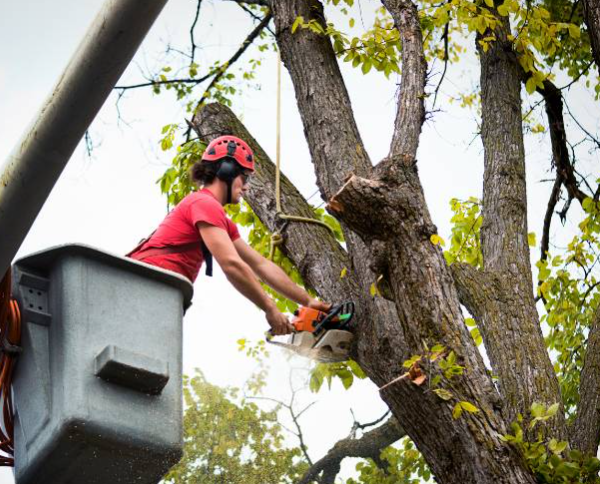
Tree Surgeon Preston provides professional crown thinning services designed to enhance the health, safety, and appearance of mature trees. We use a careful and methodical approach, selectively removing smaller branches throughout the canopy to improve airflow and light penetration. This process helps reduce wind resistance, supports balanced growth, and strengthens the tree’s natural structure without changing its overall size or shape.
Our team works with precision to ensure every tree remains stable, resilient, and visually balanced. Tree crown thinning is particularly effective for managing dense canopies that place unnecessary strain on limbs or restrict light to surrounding areas. By reducing excess weight and improving air circulation, this service helps reduce the risk of branch failure while preserving the tree’s natural form.
Each project is carried out with a strong focus on safety, long-term tree health, and responsible working practices. Our methods encourage healthier foliage, minimise shading issues, and help trees thrive within their environment. Using professional equipment and expert techniques, we deliver a reliable solution for maintaining attractive, well-balanced trees year-round.
Get a Free Instant Quote
Tree Surgeon Preston Recovery leads
Why Choose Us?
Choosing the right professionals for crown thinning is essential to ensure the health, safety, and appearance of your trees. Tree Surgeon Preston provides a reliable and knowledgeable service, delivering high standards of workmanship with a strong focus on long-term tree care and customer satisfaction.
Qualified Expertise
Our team has the experience and technical knowledge to perform crown thinning safely and correctly. Every cut is made with precision to protect the tree’s structure and encourage healthy growth.
Health-Focused Approach
We prioritise the well-being of your trees by using methods that improve airflow and reduce unnecessary stress on branches. This approach helps maintain strength, balance, and long-term vitality.
Safe and Controlled Work
All work is carried out using professional equipment and strict safety procedures. This ensures protection for people, property, and surrounding landscapes throughout the process.
Tailored Tree Solutions
Every tree is assessed individually to determine the most suitable thinning level. This ensures the work is appropriate for the tree’s size, condition, and environment.
Reliable and Professional Service
We are committed to delivering dependable service with clear communication and minimal disruption. From start to finish, our focus is on quality results you can trust.
Natural, Balanced Results
Our crown thinning work is designed to preserve the tree’s natural shape and character. The finished result is a lighter, well-balanced canopy that looks tidy and visually appealing.
What is Crown Thinning?
Crown thinning is a specialist tree management technique that involves the careful and selective removal of smaller branches throughout the tree’s canopy. The aim is not to change the overall height or spread of the tree, but to reduce its density in a balanced and natural way. By evenly thinning the crown, more light can filter through the branches, and air can circulate freely, helping reduce stress on the tree during strong winds. This method also supports healthier growth by reducing the weight borne by heavy limbs, helping the tree maintain a stable, well-shaped structure over time.
When carried out correctly, crown thinning improves a tree's long-term health, safety, and appearance without compromising its natural form. It is particularly effective for mature trees that have become overly dense, where excess foliage may be blocking light or increasing the risk of branch failure. The process requires skill and a clear understanding of tree biology to ensure cuts are made in the right locations and at the right proportions. Tree Surgeon Preston provides this service with a professional approach, ensuring the tree remains visually balanced while benefiting from improved resilience and vitality.
Benefits of Crown Thinning
Crown thinning offers multiple benefits that enhance the long-term health, safety, and appearance of trees. Tree Surgeon Preston delivers this service with a professional approach, ensuring each tree remains balanced, resilient, and visually appealing.
- Improves airflow through the canopy, helping to reduce moisture build-up that can lead to decay or disease. Better circulation supports healthier internal growth.
- Allows more natural light to pass through the branches, benefiting both the tree and the surrounding plants. This helps prevent excessive shading and encourages balanced development.
- Reduces wind resistance by lowering the crown's overall density. This minimises stress on limbs during strong weather conditions and decreases the risk of breakage.
- Enhances the tree’s natural appearance without altering its height or spread. The result is a lighter, more evenly balanced canopy.
- Lowers the weight carried by heavy branches, improving structural stability. This helps reduce the likelihood of limb failure over time.
- Supports long-term tree health and longevity by encouraging controlled, sustainable growth. Professionally thinned trees are better equipped to thrive in their environment.
Why Crown Thinning is Important?
Crown thinning plays a vital role in maintaining a tree’s internal health by improving natural airflow and light distribution throughout the canopy. When a tree becomes overly dense, trapped moisture and limited air movement can create ideal conditions for fungal growth, decay, and pest infestations. By selectively reducing excess branches, the tree is better able to regulate moisture levels, strengthen its internal structure, and support healthier leaf and shoot development. This balanced environment allows the tree to use its energy more efficiently, promoting steady and sustainable growth over time.
From a structural perspective, crown thinning helps reduce unnecessary strain caused by excess weight and wind resistance. Dense canopies act like sails during strong weather, placing pressure on limbs and increasing the risk of cracking or failure. Removing targeted branches helps distribute weight more evenly, improving stability and reducing stress on the trunk and root system. This professional approach, delivered by Tree Surgeon Preston, supports long-term resilience, helping trees remain strong, safe, and visually balanced while extending their overall lifespan.
How Often Should Crown Thinning Be Done?
The frequency of tree crown thinning depends on several factors, including the tree’s species, age, growth rate, and overall condition. In most cases, it is not required on a regular schedule and should only be carried out when the canopy becomes overly dense or begins to place strain on the tree’s structure. Excessive or unnecessary thinning can be harmful, which is why professional assessment is essential to determine when the tree will genuinely benefit from this type of work.
A qualified inspection helps ensure the right level of thinning is carried out at the right time to support long-term tree health and stability. Tree Surgeon Preston can assess your trees and advise whether crown thinning is needed or if alternative care would be more suitable. If you are unsure about the condition of your trees or believe thinning may be required, contact us for expert guidance and a professional service you can trust.