How Tree Surgery Can Reduce Risks From Unstable Garden Trees Now
Trees can be valuable features in residential gardens, providing shade, privacy, character, and a natural habitat for wildlife. However, their condition can change as they mature. Severe weather, damaged roots, disease, decay, poor previous pruning, and changing ground conditions can gradually weaken a tree until it presents a potential hazard.
The difficulty for property owners is that instability is not always immediately obvious. A tree can remain upright while developing weaknesses within its trunk, branches, or root system. Cracks may be concealed within branch unions, roots can deteriorate below ground, and apparently healthy limbs may have structural defects that increase the likelihood of failure.
Professional tree surgery can help identify these problems and determine how they should be managed. Rather than assuming that every unstable tree needs to be felled, a trained professional can consider its overall condition, location, surrounding targets, and the extent of any defects before recommending appropriate action.
Recognising the Warning Signs of an Unstable Garden Tree
Tree instability can develop gradually or appear suddenly following severe weather. Knowing what to look for allows property owners to respond before a weakened branch or entire tree becomes an immediate danger.
Some trees naturally lean or have irregular growth patterns without being structurally unsafe. For this reason, appearance alone should not be used to determine whether intervention is required. Changes to a tree's usual position or condition are generally more significant than long-standing characteristics.
Important warning signs can include:
- A tree that has recently started leaning or appears to be leaning further than before
- Fresh cracks developing in the trunk or between major branches
- Large dead, hanging, or partially detached limbs within the canopy
- Soil lifting, cracking, or moving around the base of the tree
- Exposed, damaged, decaying, or severed roots
- Fungal growth around the trunk, roots, or major branch unions
- Cavities or significant areas of decay within the trunk
- Large sections of the canopy dying back unexpectedly
- Branches rubbing against buildings, roofs, fences, or other trees
- Noticeable movement around the root plate during strong winds
If any of these signs appear, a local tree surgeon can assess whether they indicate a genuine structural problem and explain what action may be appropriate. This is particularly important for trees positioned close to homes, neighbouring properties, driveways, paths, roads, play areas, or frequently used sections of a garden.
Owners should also pay attention to changes following building work or landscaping. Excavations for extensions, patios, drainage, driveways, or utility installations can damage important roots. Soil compaction caused by machinery can also affect the conditions trees rely on for healthy root development.
Storms provide another reason to inspect trees carefully. A tree may survive severe weather without falling but still sustain damage that is difficult to see from ground level. Split branches, weakened unions, and disturbed roots can remain after the weather has improved.
Regular observation therefore matters. Property owners who know the normal appearance of their trees are more likely to notice changes early and seek professional guidance before the situation becomes more difficult to manage.
How Professional Assessment Helps Reduce Tree-Related Risks
A professional assessment considers much more than whether a tree appears healthy or unhealthy. The aim is to understand its structure, identify weaknesses, consider what could be affected if part of the tree failed, and determine whether intervention is necessary.
When people search for tree surgery near me, it is useful to look for a professional approach based on inspection and appropriate recommendations rather than assuming extensive cutting will automatically be required. Some trees may need only monitoring, while others could benefit from selective pruning, crown management, deadwood removal, or more substantial intervention.
An assessment may consider the condition of the trunk, major limbs, branch unions, visible roots, canopy and surrounding ground. The position of the tree is equally important. A defect in a tree growing in an isolated area may present a different level of concern from the same defect in a tree immediately beside a house, public path, driveway, or neighbouring garden.
Professionals can also consider whether excessive canopy weight is placing unnecessary strain on weakened sections. Carefully reducing selected branches may sometimes improve balance or lessen mechanical loading without unnecessarily removing healthy growth.
Deadwood management can be particularly important in mature garden trees. Dead branches eventually become brittle and may fall unpredictably. Their location, diameter, and height determine the level of concern they create, especially above regularly occupied areas.
Another consideration is the tree's response to previous work. Poor pruning can create clusters of weak regrowth or large wounds that allow decay to develop. Corrective management may therefore be required over several visits rather than through one severe intervention.
Responsible assessment also recognises the value of retaining trees wherever this can be done safely. Mature trees take many years to replace and can contribute significantly to a garden's appearance and local environment. The objective should be proportionate management based on the condition of the individual tree rather than unnecessary work.
Property owners should also remember that tree condition changes over time. An assessment represents the circumstances at that point, so ongoing observation remains important, particularly after storms, nearby construction, changes in soil conditions, or visible deterioration.
Managing Immediate Hazards and Dangerous Tree Conditions
Some tree problems can be monitored and addressed through planned maintenance, but others require faster attention. A sudden structural change can transform a previously manageable issue into an immediate safety concern.
Situations that may require urgent professional attention include:
- A large branch that has split and remains suspended above a garden, path, building, or vehicle
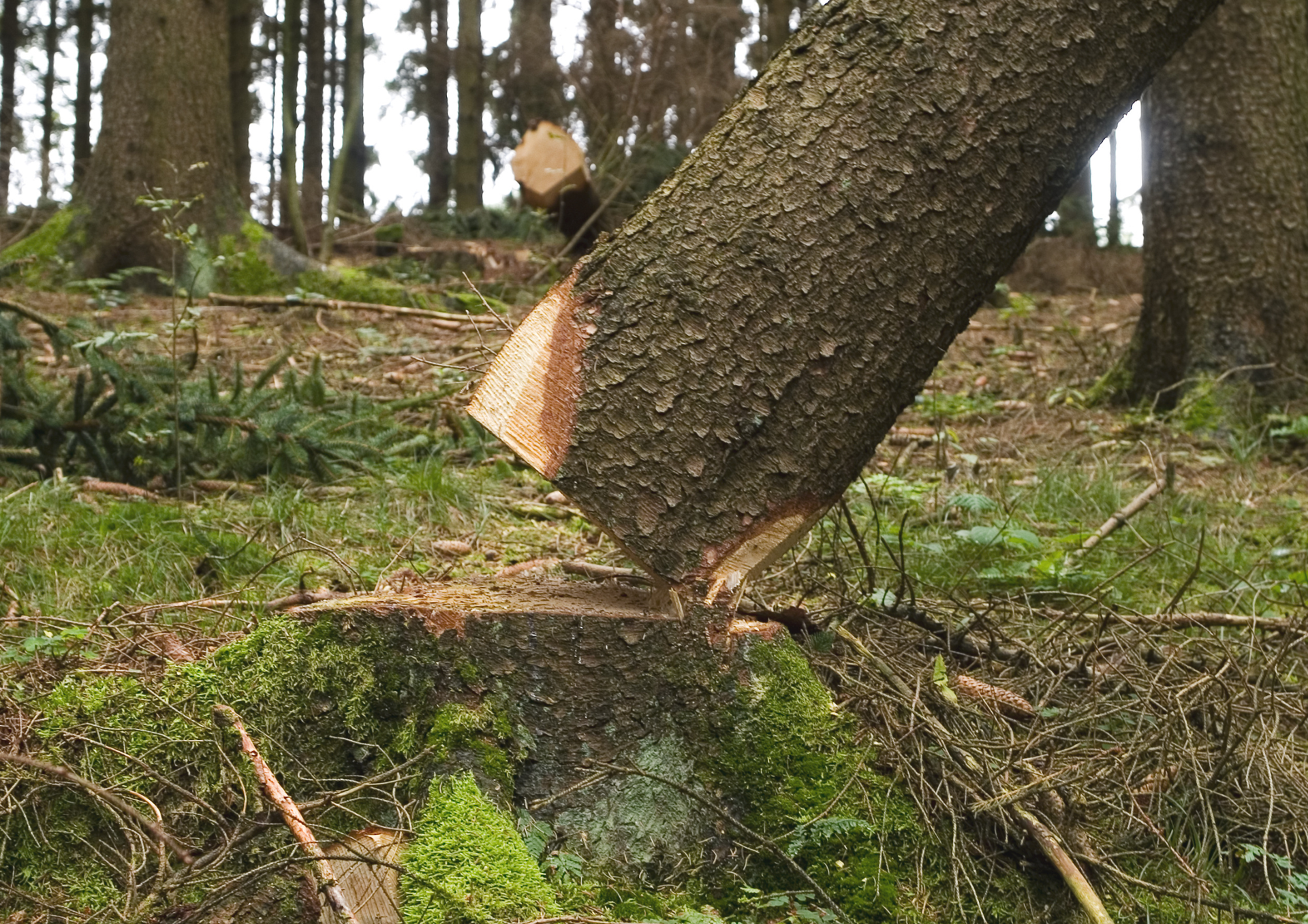
- A tree that develops a sudden lean following high winds or heavy rainfall
- Significant movement or lifting around the root plate
- A partially uprooted tree resting against another tree or structure
- Major cracks that appear suddenly within the trunk or principal branches
- Storm-damaged limbs that are hanging within the canopy
- A tree obstructing access following structural failure
- Large sections of the canopy breaking away unexpectedly
- A compromised tree positioned close to a road, footpath, building, or regularly occupied area
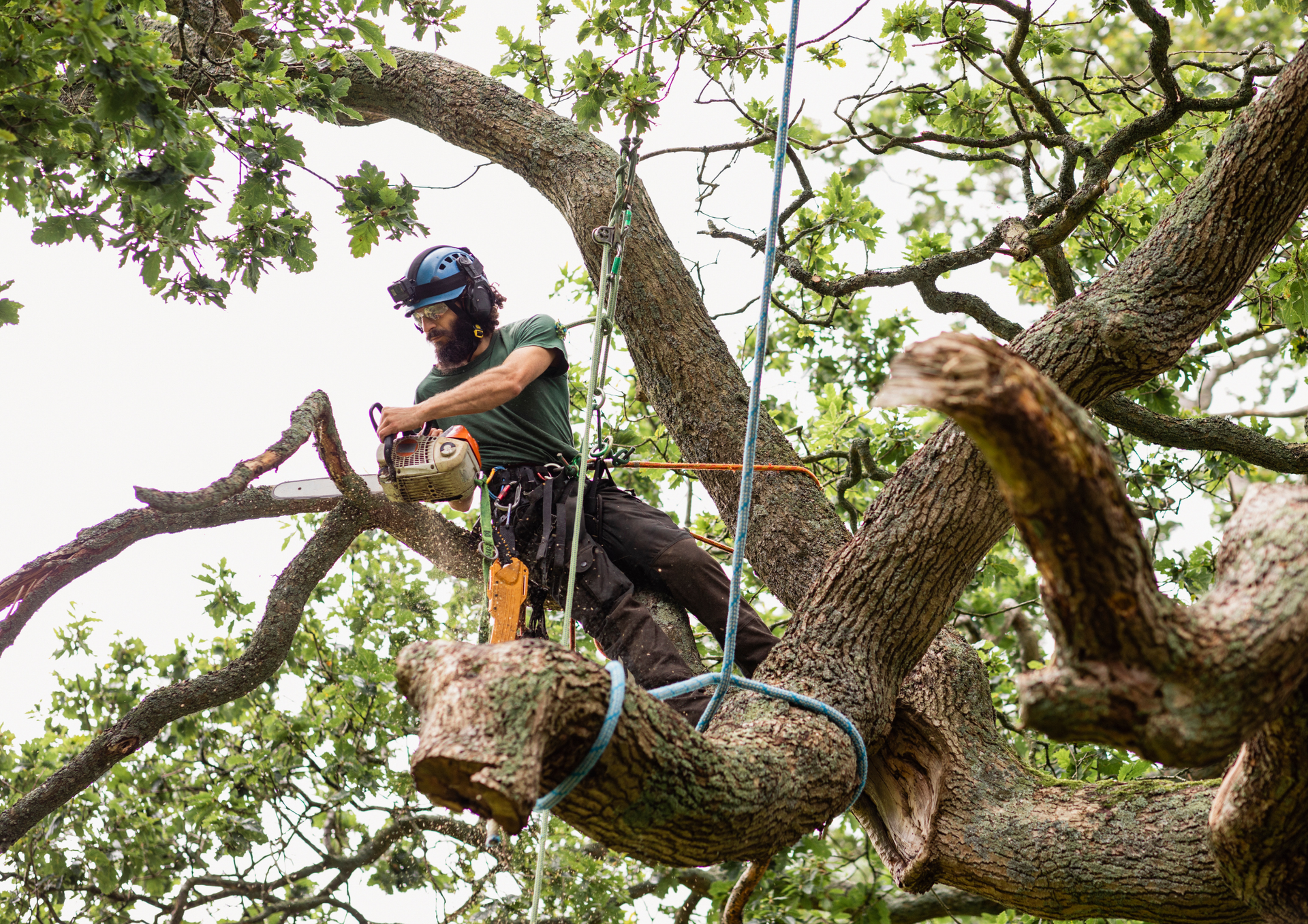
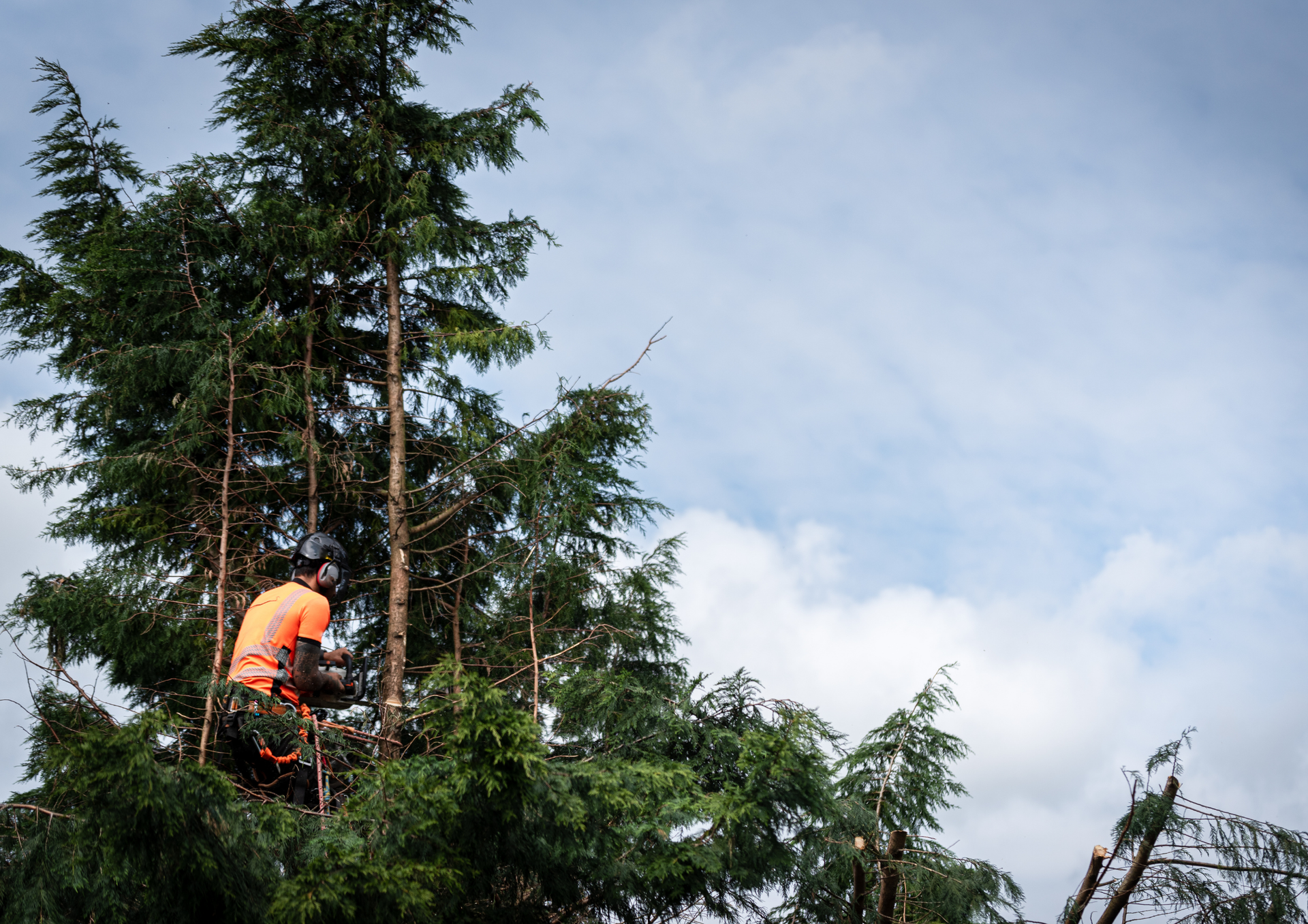
Where a tree presents an immediate hazard, an emergency tree surgeon can assess the situation and determine how the area should be made safer. Depending on the circumstances, this could involve securing access, removing hanging material, dismantling dangerous sections, or addressing a tree that can no longer remain standing safely.
Property owners should avoid attempting to deal with unstable trees themselves. Partially detached branches can behave unpredictably when cut, and a leaning tree may contain substantial stored forces. Even relatively small sections of timber can cause significant harm when falling from height.
Keeping people and vehicles away from the affected area is generally the sensible first response while professional advice is arranged. Where a hazard extends beyond the property boundary, additional precautions may also be necessary to prevent others entering the affected space.
Weather conditions must also be considered. Attempting complex work during strong winds or other unsuitable conditions can introduce further risks. Professionals can determine whether immediate intervention is appropriate or whether the area should first be secured until conditions allow the work to proceed more safely.
Urgent intervention does not necessarily mean complete removal. Where possible, dangerous branches or compromised sections may be addressed while retaining the remainder of the tree. The appropriate response depends on the nature and extent of the structural problem.
Planning Practical Long-Term Care for Garden Trees
Preventing tree-related problems is usually easier when maintenance is planned rather than delayed until obvious damage occurs. Regular observation allows changes in condition to be identified gradually and gives property owners more time to consider suitable options.
Cost understandably influences decisions about garden maintenance. However, affordable tree surgery should still be based on appropriate assessment, safe working methods, and work that genuinely addresses the tree's condition. Choosing an option purely because it has the lowest initial price may provide poor value if unnecessary cutting damages the tree or an important structural defect remains unresolved.
Long-term management may involve periodic pruning rather than major intervention. Selective work can help maintain clearance from buildings, manage overextended branches, remove deadwood, and retain a balanced canopy. The frequency required depends on species, age, condition, location, and previous management.
Ground conditions should form part of long-term care as well. Repeated vehicle movement, storage of heavy materials, excavation, and significant changes in soil level can all affect roots. Protecting the rooting environment can therefore be just as important as managing the visible canopy.
Property owners planning building or landscaping projects should consider established trees before work begins. Early planning may make it possible to avoid unnecessary root damage and reduce future conflicts between trees and new structures.
It is also sensible to review trees following periods of extreme weather. Strong winds can expose structural weaknesses, while prolonged rainfall may soften ground around roots. Hot, dry conditions can place additional stress on some trees, particularly where they are already compromised.
Mature trees may require a different management approach from younger specimens. Older trees can contain cavities, deadwood, and other features without automatically requiring removal. Decisions should take account of the entire tree, its surroundings, and the potential consequences of failure.
Consistent maintenance gives property owners greater control over these decisions. Instead of responding only when something breaks, they can monitor changes, schedule appropriate work, and manage trees in a way that considers both safety and long-term value.
Unstable garden trees deserve careful attention because structural problems can develop gradually and may not always be visible from ground level. Changes in lean, root movement, cracks, dead branches, storm damage, and declining growth can all indicate that further assessment is sensible.
A considered approach helps protect people, buildings, vehicles, neighbouring property, and outdoor spaces without assuming that every concern requires drastic action. Regular observation and timely professional assessment remain important parts of responsible garden tree management.
Tree Surgeon Preston provides professional support for property owners who need help assessing and managing unstable, damaged, overgrown, or potentially hazardous trees. We take a careful approach to each situation, considering the condition of the tree, its surroundings, and the practical requirements of the property before recommending suitable work.
Our approach to tree surgery focuses on clear communication, responsible working practices, and proportionate solutions. Whether a tree requires careful pruning, structural management, monitoring, or more extensive work, we aim to provide practical guidance that helps property owners make informed decisions.
By considering both immediate concerns and longer-term tree health, we help maintain safer, more manageable outdoor spaces while respecting the value that established trees bring to gardens and wider landscapes.
Check out our latest X update on how
tree surgery can help reduce risks from unstable garden trees and maintain safer outdoor spaces!
Add your paragraph title here
This is the text area for this paragraph. To change the text, simply click here and start editing.
You might also like