
Pollarding Trees Explained: A Practical Guide for Homeowners
Trees are a valuable part of any landscape, offering shade, structure, and visual appeal. However, without proper management, they can outgrow their surroundings or pose safety concerns. One specialist technique used by arborists is pollarding trees, a method that often raises questions among homeowners.
What Is Pollarding and Why Is It Used?
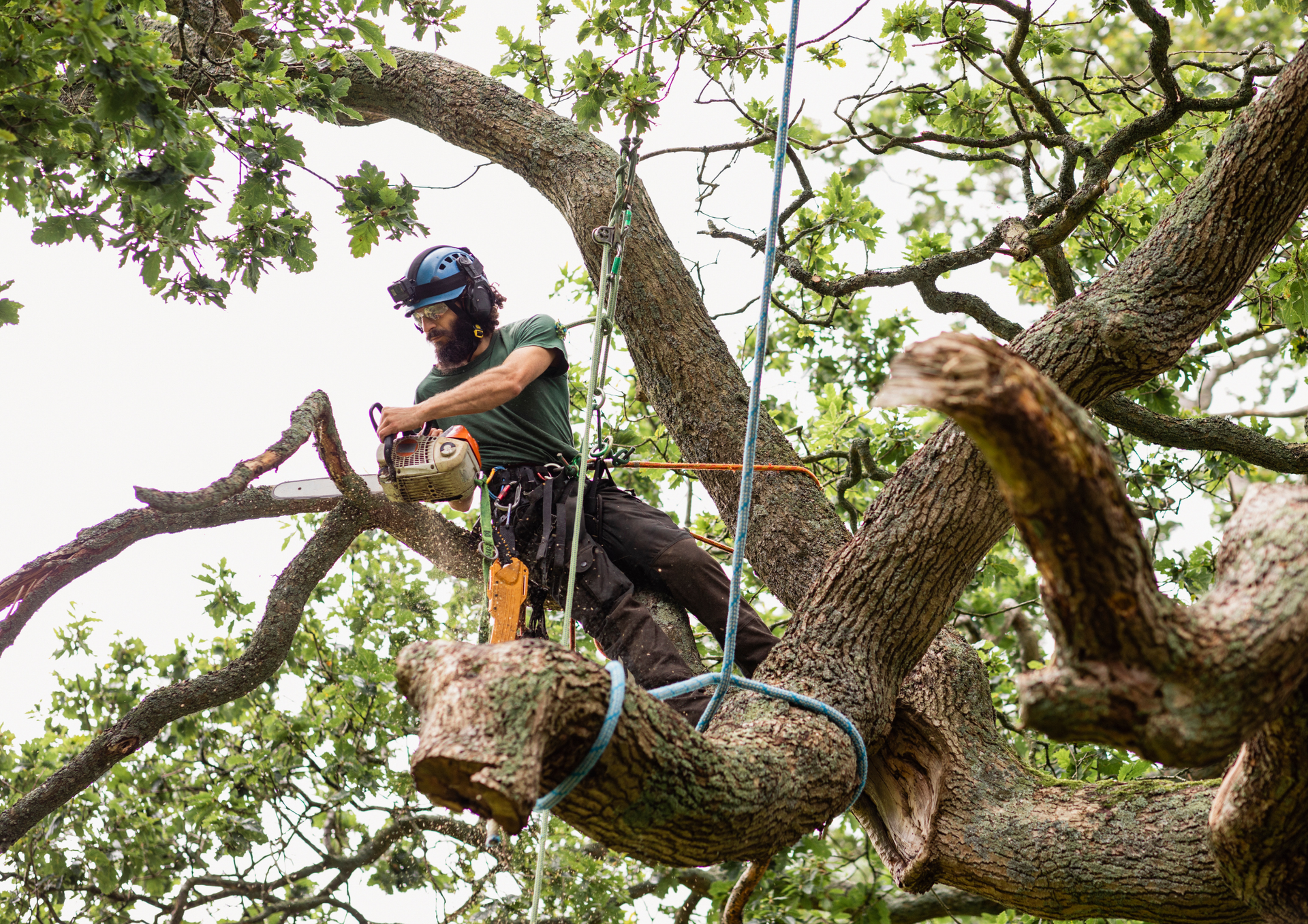
Pollarding is a traditional form of pruning where the upper branches of a tree are cut back to a set framework, usually at a specific height. This encourages the growth of new shoots from the same points each year. The method has been used in Britain for centuries, particularly along roadsides, in parks, and near buildings where space is limited.
The primary reason for pollarding is size control. By repeatedly cutting growth back to the same points, trees can be kept at a manageable height and spread. This is especially useful in urban or residential settings where unchecked growth could interfere with buildings, power lines, or neighbouring properties. When done correctly, pollarding can also extend the lifespan of certain tree species by reducing the risk of heavy limbs failing.
It is important to understand that pollarding trees is not the same as random or heavy cutting. It follows a planned cycle and should begin when a tree is young or at a suitable stage of growth. Starting the process too late or carrying it out incorrectly can weaken the tree and leave it vulnerable to disease.
When Is Pollarding the Right Choice?
Not every tree is suitable for pollarding, and choosing the right approach depends on species, location, and long-term goals. Common trees that respond well include lime, plane, willow, poplar, and some maples. These species are able to regenerate strong new growth after regular cutting.
Pollarding is often chosen when a tree has outgrown its space but removal is not desirable. For example, mature trees near homes, footpaths, or roads may need ongoing control to reduce risk while preserving their presence. In these situations, pollarding can offer a balanced solution that maintains safety without losing the tree entirely.
Homeowners searching for tree pollarding near me are often concerned about overhanging branches or blocked light. While pollarding can address these issues, timing is crucial. Work is typically carried out during the dormant season, usually late autumn to early spring, to minimise stress on the tree and reduce the risk of infection.
Understanding Costs and Professional Standards
One of the most common questions homeowners ask relates to tree pollarding cost. Pricing can vary depending on the size of the tree, its condition, access requirements, and how regularly it has been maintained in the past. Trees that have been pollarded consistently are usually quicker and safer to manage than those being cut back heavily for the first time.
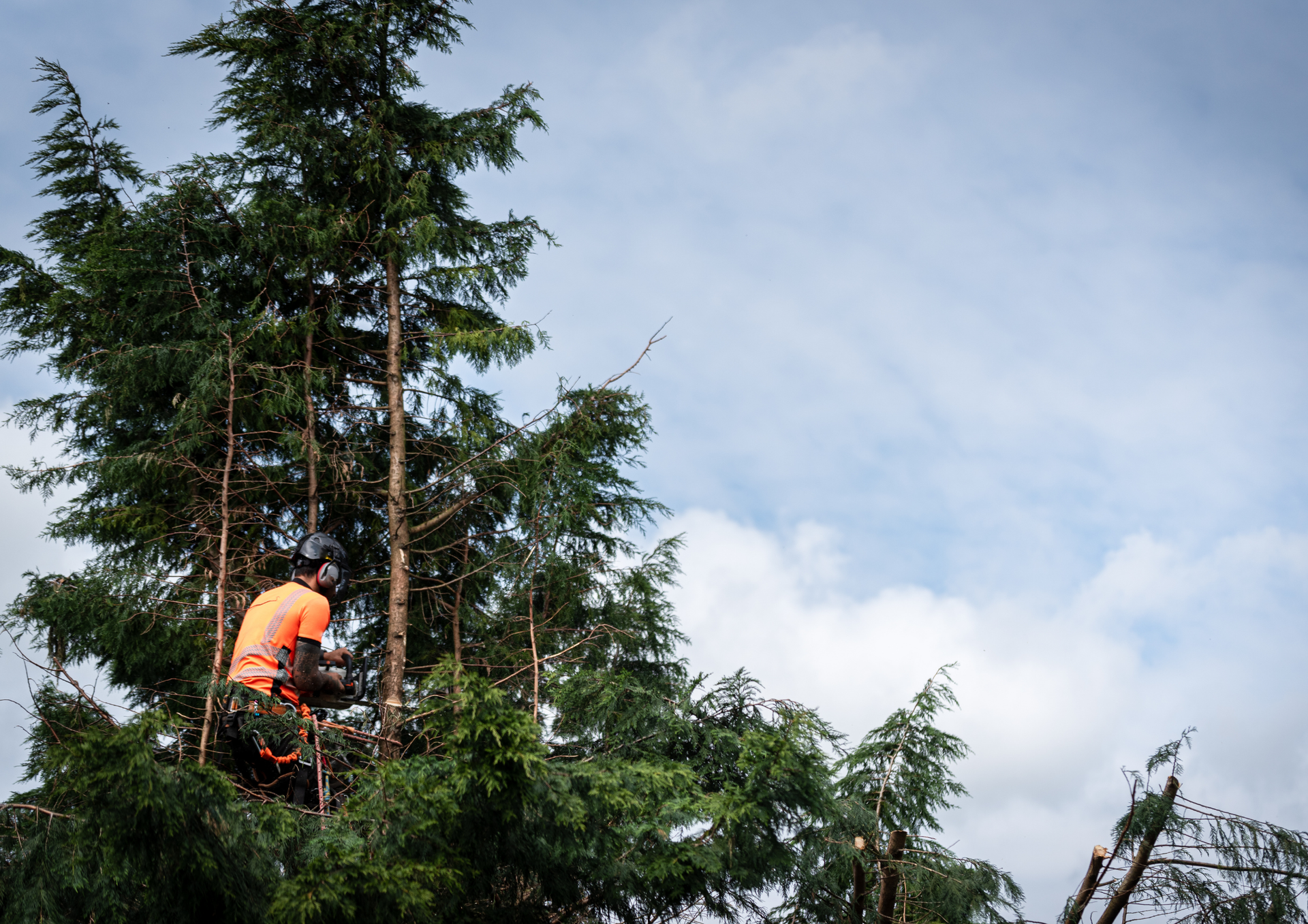
It is essential that this work is carried out by trained professionals. A qualified arborist understands tree biology, growth patterns, and structural integrity. Choosing a reputable pollard tree service helps ensure the correct cuts are made at appropriate points, reducing the risk of decay or weak regrowth.
Poor workmanship can lead to long-term problems, including unstable branches and increased maintenance costs. Investing in skilled care from the outset protects both the tree and your property while ensuring compliance with local regulations and best practice standards.
Long-Term Care After Pollarding
Once a tree has been pollarded, ongoing care is essential to keep it healthy, safe, and well structured. A planned maintenance approach helps manage regrowth and supports pollard pruning trees in a controlled, consistent way, protecting the tree’s long-term condition and overall stability.
- New shoots grow quickly and should be cut back on a regular cycle, usually every one to three years depending on the tree species and its location.
- Consistent maintenance helps preserve the tree’s shape and prevents excessive weight building up at the pollard points.
- Professional pollard pruning techniques focus on clean, precise cuts that encourage strong, controlled regrowth.
- Over time, the tree develops a distinctive and balanced form that is both practical and visually appealing.
- Regular inspections allow early identification of disease, decay, or structural weaknesses that could pose safety risks.
- A long-term pollarding plan offers predictability, reducing the likelihood of sudden, extensive work and helping manage maintenance costs effectively.
Pollarding is a specialist pruning method designed to control tree size, enhance safety, and support longevity when carried out correctly. While it is not suitable for every tree, it can be an effective solution in residential and urban environments where space and safety are key concerns. Understanding how the process works, when it is appropriate, and why professional expertise matters allows homeowners to make confident decisions about their trees. When planned and maintained properly,pollarding trees can be a sustainable and practical part of long-term care.
AtTree Surgeon Preston, we provide professional, reliable
tree care tailored to residential and commercial needs. Our experienced team understands British tree species, seasonal best practices, and the importance of safe, structured maintenance. We focus on clear advice, high standards of workmanship, and responsible tree management. Whether you need expert guidance or ongoing care, we are committed to helping you protect and maintain your trees with confidence.
New update on X:
Pollarding trees explained – a practical guide for homeowners!
Add your paragraph title here
This is the text area for this paragraph. To change the text, simply click here and start editing.
You might also like